
Favorite Tools for Demolition Service: Equipment You Can Trust
Identify the most dependable and high-performing equipment options for demanding demolition tasks.
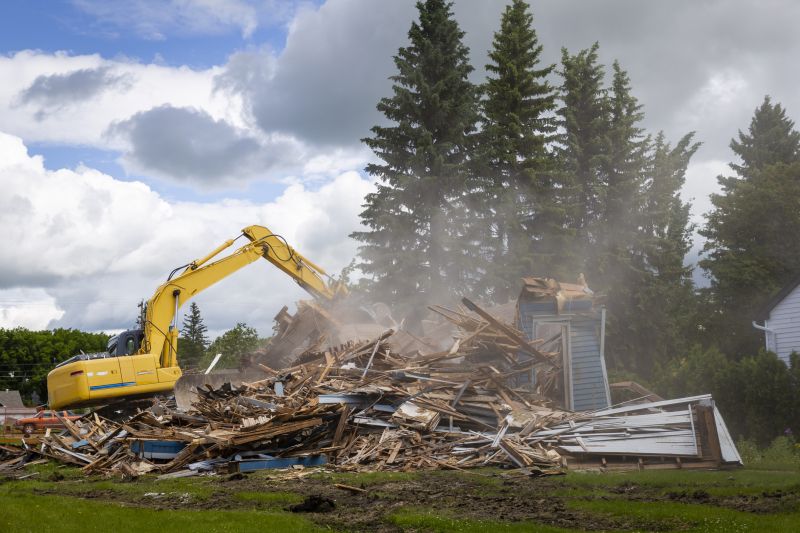 Demolition projects in Elgin, IL, require a variety of specialized tools and equipment to ensure safety and efficiency. From small-scale interior demolitions to large structural removals, having the right products can make a significant difference in the success of a project. Proper selection of demolition tools not only enhances productivity but also helps maintain safety standards for workers and surrounding structures. Whether you're a professional contractor or a dedicated DIY enthusiast, understanding the range of available demolition products can help you plan and execute your projects more effectively.
Types of Products For Demolition Service
Hand Sledgehammers
Essential for breaking through surfaces and prying apart materials, hand sledgehammers come in various weights and designs to suit different demolition needs.
Pry Bars and Crowbars
Useful for removing fixtures, lifting materials, and prying apart structures, these tools provide leverage and control during demolition tasks.
Rotary Hammers
Powerful tools designed for drilling and chiseling through concrete and masonry, rotary hammers improve efficiency on tough surfaces.
Demolition Drills
Heavy-duty drills equipped with specialized bits to break through concrete, brick, and other hard materials quickly and effectively.
Hydraulic Breakers
Hydraulic-powered tools that deliver high-impact force for breaking large concrete slabs, foundations, and other structural elements.
Wrecking Balls
Large, heavy balls used in traditional wrecking operations, typically attached to cranes for structural demolition of buildings.
Dust Masks and Respirators
Safety gear essential for protecting workers from dust and airborne debris during demolition activities.
Protective Helmets and Goggles
Personal protective equipment to safeguard against falling debris and flying particles during demolition work.
Cutting Attachments and Blades
Specialized blades for angle grinders and saws to cut through metal, concrete, and other materials with precision.
Concrete Crushers and Pulverizers
Attachments for skid steers and excavators that enable efficient crushing and pulverizing of concrete and masonry materials.
Safety Barriers and Signage
Equipment used to cordon off demolition sites and ensure safety for workers and the public.
Debris Chutes and Containers
Tools for safely directing and collecting debris to keep the worksite organized and minimize hazards.
Air Compressors
Power sources for pneumatic tools such as jackhammers and chipping guns, providing mobility and consistent power.
Jackhammers
Handheld pneumatic or electric tools designed for breaking up concrete, asphalt, and other hard surfaces.
Scaffolding and Ladders
Support structures that provide safe access to elevated demolition areas and facilitate work at height.
Vacuum and Dust Extraction Systems
Equipment to control dust and debris, maintaining a cleaner and safer work environment during demolition.
Popular Choices
Widely used for their portability and ease of use, these tools are favored for small to medium demolition tasks.
Known for their power and durability, pneumatic jackhammers are common in professional demolition projects.
Versatile saws suitable for cutting through concrete and masonry with precision and efficiency.
Attachable tools for excavators and skid steers that facilitate breaking and crushing concrete and structures.
Essential safety gear that provides head protection for demolition workers at active sites.
Protective gloves designed to withstand rough handling and prevent injuries during demolition work.
Critical for respiratory protection in dusty environments typical of demolition sites.
Convenient for collecting and transporting debris from demolition sites efficiently.
Temporary barriers to secure demolition zones and prevent unauthorized access.
Handheld tools for cutting metal, concrete, and other materials during demolition.
Vacuum systems designed to capture dust at the source, maintaining a cleaner work environment.
Support equipment for reaching elevated areas safely during demolition activities.
Powerful attachments for excavators that aid in breaking large concrete structures.
A comprehensive demolition toolkit often includes a mix of hand tools, power tools, and safety equipment. Hand tools like sledgehammers and pry bars are essential for breaking through surfaces and removing stubborn fixtures. Power tools such as rotary hammers and demolition drills provide increased force and efficiency, especially when dealing with concrete or masonry. Safety gear like helmets, goggles, gloves, and dust masks are crucial for protecting workers from debris and hazardous dust. Investing in quality products tailored to your specific demolition needs can lead to smoother operations and better results.
For larger projects, specialized equipment such as hydraulic breakers, wrecking balls, and demolition robots may be employed. These tools are designed to handle more intensive tasks and can significantly reduce manual labor. Additionally, accessories like demolition blades, chisels, and cutting attachments expand the versatility of power tools, allowing for more precise and varied demolition tasks. Proper planning and selecting the right combination of tools can help streamline your project, minimize downtime, and ensure safety compliance throughout the process.
Key Buying Considerations
- Assess the scale and scope of your demolition project to determine the appropriate tools and power levels.
- Prioritize safety features such as ergonomic design, vibration control, and protective gear compatibility.
- Consider the compatibility of attachments and accessories with your existing equipment or tools.
- Evaluate the durability and build quality of tools to ensure they withstand demanding demolition tasks.
- Review noise levels, especially if working in enclosed or noise-sensitive environments.
- Check for ease of operation and maintenance to reduce downtime and prolong tool lifespan.
- Determine the availability of replacement parts and customer support from manufacturers.
- Set a budget that balances quality and affordability without compromising safety or effectiveness.
- Consider portability and weight if the project requires moving tools across different sites or levels.
- Look into safety certifications and compliance standards relevant to construction and demolition work.
- Evaluate dust and debris control features, especially for indoor or confined space demolitions.
- Analyze the power source options—electric, pneumatic, or hydraulic—based on site conditions and access.
- Review user feedback and product reviews for insights into real-world performance.
- Plan for storage and transportation solutions to keep tools organized and accessible.
- Ensure that safety gear matches the tools being used and adheres to local safety regulations.